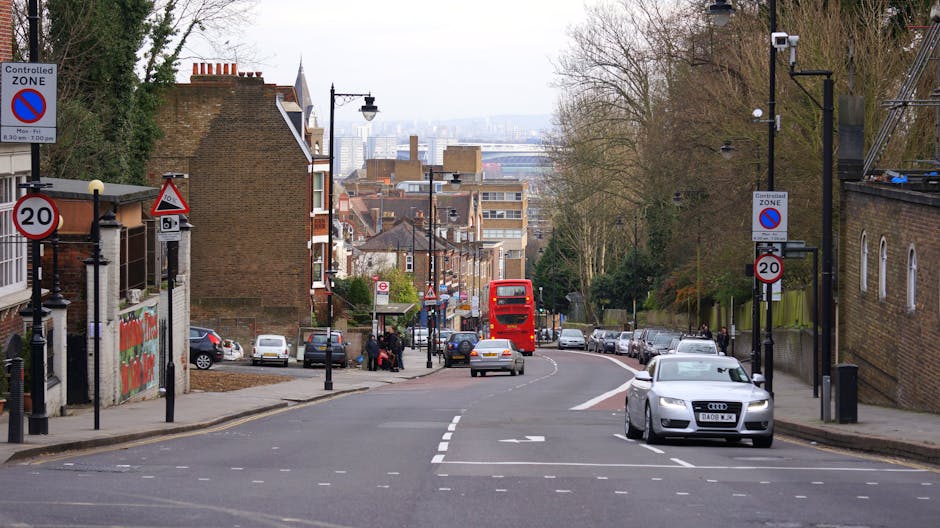
Avoid fines: street suspension rules for Croydon moves
If you are moving in Croydon, street suspension rules can feel like one more headache on top of packing boxes, lifting furniture, and trying to find the kettle before your first cup of tea. But getting the parking side wrong can be expensive fast. This guide explains how to avoid fines: street suspension rules for Croydon moves, what the rules are trying to achieve, and the practical steps that make a move smoother, safer, and far less stressful.
In plain English, a street suspension is a temporary restriction on parking or stopping in a specific bay or stretch of road so that loading, unloading, removals, or access can happen without obstruction. For home moves, office relocations, and bulky item collection, it matters more than people expect. A van tucked into the wrong bay for ten minutes can turn into a ticket, a delay, or a very awkward conversation with a neighbour. Let's avoid that, shall we?
Below you will find a practical breakdown of what street suspensions mean in a Croydon move, how they are usually handled, what mistakes trigger fines, and how to plan the day so the vehicle, crew, and parking all work together. If you are arranging a house move or business relocation, you may also find it useful to look at home move support, house removalists, or office relocation services for a smoother overall plan.
Table of Contents
- Why street suspension rules matter
- How street suspension rules work in a Croydon move
- Key benefits and practical advantages
- Who needs this and when it makes sense
- Step-by-step guidance
- Expert tips for better results
- Common mistakes to avoid
- Tools, resources and recommendations
- Law, compliance, standards, or best practice
- Options, methods, or comparison table
- Case study or real-world example
- Practical checklist
- Conclusion
- Frequently asked questions
Why street suspension rules matter
Street suspension rules matter because moving vehicles need space, time, and legal parking. In a busy place like Croydon, that sounds simple until you meet double yellow lines, resident bays, loading restrictions, narrow one-way streets, morning rush hour, or a row of cars parked exactly where the sofa needs to go. Then it becomes very real, very quickly.
The main reason people get caught out is not usually bad intent. It is timing. A move starts early, the crew is ready, and somebody assumes they can just "pop the van there for a bit." That is often where the fine appears. Not always immediately. Sometimes the issue shows up when the crew is halfway through carrying the heavy stuff and the vehicle has to be moved. That is the sort of disruption nobody wants.
For residents, landlords, tenants, facilities managers, and business owners, street suspension planning is about more than avoiding enforcement. It protects the moving schedule, reduces the chance of damage from awkward loading positions, and keeps neighbours happier too. Truth be told, a calm move often comes down to something as boring as parking being sorted early.
Practical takeaway: if your moving vehicle needs to pause on-street, plan the parking before the boxes are packed. The paperwork and timing should come first, not last.
How street suspension rules work in a Croydon move
A street suspension usually means a parking space, bay, or road section is temporarily reserved or restricted for a specific purpose. For a move, that purpose is often loading and unloading. The exact process depends on the road, the local authority requirements, the time of day, and the type of restriction already in place. There is no one-size-fits-all answer, which is a bit annoying, but there it is.
In practice, the move planner, resident, property manager, or removal firm needs to identify whether on-street access is essential. If it is, a suspension or similar parking arrangement may be needed well in advance. You normally want enough room for the vehicle to park safely without blocking traffic, pedestrian access, driveways, or dropped kerbs. Sometimes a small van can work in a tighter space; sometimes a larger vehicle or lorry needs a proper bay arrangement. If you are hiring a bigger vehicle, compare moving truck options and removal truck hire early, because the size of the vehicle affects the parking plan.
There is also the practical side of timing. A suspension may only cover a set period, so if the crew runs late because key paperwork was missing, the whole day can become messy. In our experience, the people who avoid fines are usually the people who treat parking like part of the move, not a side issue. They book the vehicle, confirm access, check the street conditions, and keep a backup plan in mind.
For smaller moves, a service like man and van or man with van can sometimes reduce the pressure because the vehicle is easier to position. That said, ease of access still matters. A small van on the wrong stretch of road can still attract enforcement if the restrictions are ignored.
Key benefits and practical advantages
Planning for street suspension rules brings a few real-world advantages that are easy to overlook when you are focused on everything else.
- Lower risk of penalties: the obvious one. If the vehicle is legally placed, you reduce the chance of parking fines or enforcement action.
- Faster loading and unloading: the crew can work straight from the property to the vehicle without zig-zagging around blocked access.
- Less stress on moving day: fewer interruptions mean fewer last-minute decisions.
- Better protection for belongings: items are carried in shorter, safer routes, which is especially helpful for fragile or bulky furniture.
- Improved safety for pedestrians and neighbours: nobody wants a trolley wheel bumping over a pavement edge while school traffic passes by.
- Cleaner coordination with other services: if your move includes packing, dismantling, or storage, a proper parking setup helps the whole chain run on time.
There is also a commercial advantage for office moves. Staff can get back to work sooner, lift equipment is handled more efficiently, and building access is less likely to be disrupted. For business relocations, that can make a huge difference. If you are moving a workplace rather than a home, see how commercial moves and office relocation services can support a more controlled handover.
Who this is for and when it makes sense
Street suspension planning is not only for large removals. It is useful for a surprisingly wide range of situations.
- Home movers: especially if you live in a terraced street, flat, or busy road with limited parking.
- Families moving out of shared roads or estates: a van may need to park close to the entrance for an efficient load.
- Office and commercial moves: these often involve equipment, crates, and stricter timing windows.
- Furniture collection or delivery: bulky pieces can need door-to-van access without obstructions.
- People using a man and van service: even smaller vehicles can be affected by parking restrictions.
- Landlords and letting agents: when coordinating move-in or move-out days, parking access affects the schedule.
It makes sense whenever the vehicle needs to stop close to the property and the street is already regulated in some way. If you are clearing a property, collecting bulky items, or moving a few key items rather than a full house, the principle is the same. A short job can still go wrong if the vehicle cannot legally stand where it needs to be. For one-off item removal, furniture pick-up may be a useful option to consider alongside parking planning.
Sometimes the strongest indicator is simple: if you are thinking, "Will the van actually fit outside?", then yes, you probably need to think about suspension or alternative access. Better to ask the slightly awkward question now than to sort it out with a penalty notice later.
Step-by-step guidance
Here is a practical way to approach street suspension planning for a Croydon move. This is the bit that saves time.
- Check the property access first. Look at the street, bay markings, kerb space, and any signs nearby. Note whether the vehicle needs to park directly outside or just close enough for safe carrying.
- Confirm the vehicle size. A small van, large van, or removal truck changes the parking requirement. Do not assume a bigger vehicle can "probably manage." That is how people end up improvising in the rain.
- Identify restrictions early. Pay attention to resident bays, loading only zones, yellow lines, time-limited parking, suspended bays, and access for neighbours or trades.
- Build the move around the street conditions. If the best loading space is only available at a certain time, schedule the move accordingly. A little flexibility goes a long way.
- Book the right service combination. For some jobs, the right answer is a packing service plus vehicle hire; for others, it is a simple van and a couple of extra hands. You can look at packing and unpacking services if the move includes fragile or time-sensitive items.
- Keep the documents together. If parking arrangements, permissions, or instructions are needed, make sure the move lead has them on hand.
- Use a backup plan. Have a nearby legal loading spot or secondary access route in mind in case the first choice is blocked.
- Brief everyone involved. The driver, movers, property contact, and any neighbours who need warning should all know what is happening and when.
A small but important point: if you are moving a whole household, the parking decision should not be made on the morning of the move. That is too late. By then, people are already carrying drawers, everyone is on edge, and the street is doing its own thing. Plan it the day before, ideally earlier.
Expert tips for better results
These are the practical habits that tend to separate a smooth move from a frustrating one.
- Measure the load route, not just the street. A van may fit outside, but if the path from the front door involves steps, tight hallways, or a long carry, your timing and labour needs change.
- Use the smallest suitable vehicle. Sometimes a removal truck is ideal. Other times, a smaller van is more sensible because it causes less obstruction and is easier to position legally.
- Take weather into account. Wet pavements, early-morning frost, or a drizzly Croydon day can slow loading. That is not dramatic, just realistic.
- Keep one person free to manage access. Someone should be watching the vehicle space, not just carrying boxes. That one role can save a lot of hassle.
- Protect neighbours' access. If you can keep a walkway clear and avoid blocking driveways, people are usually much more relaxed.
- Use sturdy packing before the move starts. Fewer trips mean less time on-street and less pressure on the parking arrangement.
One simple but overlooked tactic is to line up the biggest items nearest to the exit before the van arrives. It sounds obvious, and yet, somehow, the heaviest wardrobe is often still buried behind five boxes of books. Humans, eh?
If you are moving a lot of household items, it may be worth combining the move with a broader removal plan through home moves. That can help you match vehicle size, crew size, and access needs more accurately.
Common mistakes to avoid
A lot of avoidable fines come from the same few mistakes. The good news is that they are all fixable.
- Leaving parking until the day of the move. This is probably the biggest one.
- Assuming a loading spot is "fine for a minute." Enforcement does not care that it was only meant to be temporary.
- Choosing the wrong vehicle size. Too large creates parking issues; too small can mean extra trips and more time on the road.
- Forgetting about road signs and bay times. Streets can change restriction by time of day, which catches people out.
- Ignoring building or estate rules. Some properties have access windows, management rules, or permit conditions that matter just as much as the street itself.
- Not briefing the driver. If the driver does not know the access plan, things can go sideways quickly.
There is also the classic mistake of relying on luck. "We'll just see what happens" is not a strategy. It is a gamble, and not a very good one. Better to sort the details, even if that means an extra phone call or two.
Tools, resources and recommendations
You do not need fancy tools, but a few practical aids make a real difference.
- A written move plan: even a simple note with times, access details, and vehicle type can help.
- A property access checklist: include door codes, lift times, bay access, and any key handover notes.
- Basic packing materials: labels, tape, blankets, and wraps help reduce delays and keep the load tidy.
- Vehicle choice guidance: match the vehicle to the move rather than assuming the largest option is automatically best.
- Clear communication: keep the moving company, the building contact, and the person responsible for the keys in the loop.
If you need more hands-on help with arranging the move itself, you may find man with van helpful for smaller or mid-sized jobs, while removal truck hire can suit larger, structured moves. The right choice depends on your street access, the amount of furniture, and how quickly everything needs to happen.
It is also worth speaking directly with the moving team before the day rather than assuming they will solve access problems on arrival. A short conversation now beats a messy thirty-minute reshuffle on a narrow street later. Been there, seen that.
Law, compliance, standards, or best practice
Because parking and street suspensions relate to local traffic and access control, it is wise to treat them as a compliance issue, not just a convenience issue. The exact rules can vary depending on the street, the local authority processes, and the type of restriction in place. So the safest approach is to follow the relevant parking signs, local instructions, and any approved move arrangements carefully.
Best practice usually means four things: confirm whether a suspension or permit is needed, make sure the vehicle is appropriate for the access point, avoid blocking pedestrians or driveways, and keep evidence or instructions available for the move team. If the property sits within a managed block or a busy high street, double-checking is sensible. Actually, it is more than sensible. It is the difference between a straightforward move and a very dull admin problem that follows you for weeks.
For business users, compliance also means managing responsibility across staff, contractors, and building managers. A commercial move should have a clear access lead who knows where the vehicle will stand, who has authority to make last-minute decisions, and what the contingency plan is if the planned space is unavailable. That keeps the day calmer and helps you avoid the "who told the van driver to park there?" conversation.
If you are unsure what the right setup is for your move, speaking to a local removals team early is usually the safest route. You can also review the company background through about us and contact the team via contact us if you want to talk through access, timing, or vehicle options before moving day.
Options, methods, or comparison table
The best way to handle street access depends on the scale of the move, the road layout, and how much time you have. Here is a simple comparison of common approaches.
| Method | Best for | Pros | Watch out for |
|---|---|---|---|
| Small van / man and van | Light moves, a few rooms, or single-item transport | Easier to park, flexible, often quicker in tight streets | May need extra trips if the load is larger than expected |
| Removal truck | Full house moves, larger furniture, or combined loads | More capacity, fewer journeys, better for organised loading | Needs more space and stronger parking planning |
| Pack first, move later | Busy households or offices with limited time on the day | Speeds up the loading window and reduces street disruption | Requires solid preparation before the move date |
| Mixed approach | Moves with storage, staggered access, or uncertain timings | Flexible if one part of the property is ready before another | Needs more coordination and clear communication |
There is no perfect universal method. For some Croydon streets, the smallest practical van is the smartest choice. For others, a larger removal truck with a planned parking setup is better because it reduces total time on the road. The key is matching the method to the road, not the other way around.
Case study or real-world example
Picture a typical weekday move in a Croydon side street. A family is moving from a first-floor flat to a house a few miles away. The street has limited parking, residents are in and out, and there is a school run nearby. The family originally planned to leave the van "as close as possible" while the boxes were carried down. That would have been a gamble.
Instead, they checked the access route the day before, chose a smaller van rather than a larger truck, and arranged the load so the heaviest items were nearest the door. They also used packing help for the breakables and kept the first round of essentials separate. The result? Fewer trips, less time blocking the street, and no awkward dash to move the vehicle mid-load.
It was not fancy. No miracle process. Just proper planning. The move still had the normal chaos of keys, stairs, and one missing set of chargers, because of course it did. But the parking piece was under control, and that made everything else easier.
That is really the point of street suspension planning. It does not make moving glamorous. It just keeps the day from going off the rails.
Practical checklist
Use this checklist before moving day. Keep it simple and tick things off as you go.
- Check whether the property needs on-street loading access.
- Confirm the vehicle size and whether a van or truck is best.
- Review the road signs, bay markings, and time restrictions.
- Identify any resident, building, or estate access rules.
- Make sure the moving team understands the parking plan.
- Keep the property keys, contacts, and timing details together.
- Prepare a backup space or alternative loading point if possible.
- Pack and label items so the load is efficient and fast.
- Protect fragile items and large furniture for quick handling.
- Recheck everything the day before, not the morning after a sleepless night.
Short summary: the more carefully you plan the access, the fewer surprises you get. And moving day already has enough surprises, frankly.
Get a free quote today and see how much you can save.
Conclusion
Street suspension rules are one of those moving details that feels minor until it suddenly is not. In Croydon, where parking can be tight and street layouts vary from road to road, getting the access plan right can be the difference between a calm move and a costly, rushed one. If you remember only one thing, make it this: sort the vehicle, parking, and timing together.
Whether you are moving a single bulky item, a family home, or a business premises, the same principle applies. Plan early, keep the route clear, choose the right service, and do not leave the street access to chance. It saves money, time, and a lot of unnecessary stress.
Moving home or business is rarely perfectly tidy, but it can still be properly managed. And that, in the end, is what makes the whole thing feel a bit more human and a lot less painful.
Frequently Asked Questions
What is a street suspension in a Croydon move?
It is a temporary restriction or reservation of a parking space or road section so a moving vehicle can load or unload safely. It helps reduce obstruction and avoid parking issues.
Do I always need a suspension for a house move?
No. Smaller moves may work with normal legal parking or a nearby loading spot. But if your street is tight, heavily restricted, or time-sensitive, a suspension or alternative arrangement may be sensible.
Can a man and van service still get fined?
Yes. A smaller vehicle is easier to position, but it still has to obey the street rules. If the bay is restricted or the stop is not allowed, the vehicle can still receive a penalty.
How far in advance should I plan parking for a move?
The earlier the better. Ideally, parking and access should be reviewed well before moving day so there is time to choose the right vehicle and avoid last-minute changes.
What happens if the parking space is blocked on the day?
You may need to use a backup loading point, wait for access, or adjust the move schedule. This is why a contingency plan matters. Without one, the whole day can get pushed off track.
Is a removal truck better than a van for avoiding fines?
Not always. A truck can reduce the number of trips, but it also needs more space and careful planning. For some Croydon streets, a smaller van is the safer parking choice.
Do office moves need the same street access planning as home moves?
Yes, and sometimes more. Commercial moves often involve time windows, building management rules, and larger volumes of equipment, so access planning becomes even more important.
What are the most common mistakes that lead to fines?
Leaving parking arrangements until the last minute, ignoring signs, choosing the wrong vehicle size, and assuming a short stop is harmless are the biggest ones people run into.
Can packing help reduce street suspension problems?
Absolutely. Well-packed and clearly labelled items load faster, which shortens the time the vehicle needs to stay on the street. That can make the whole move much easier to manage.
How do I choose between home moves and man with van support?
It depends on the size of the job, the access route, and how much you need carried. Smaller, simpler jobs may suit a van-based service, while full-house moves usually need a more structured removal plan.
Should I speak to the moving company about parking before booking?
Yes, definitely. Parking access can affect vehicle choice, crew size, and timing. A quick conversation early can prevent a lot of stress later.
Where can I ask about my move or get help planning it?
You can review the company background on the about us page and use the contact us page to ask about parking, access, and service options for your move.