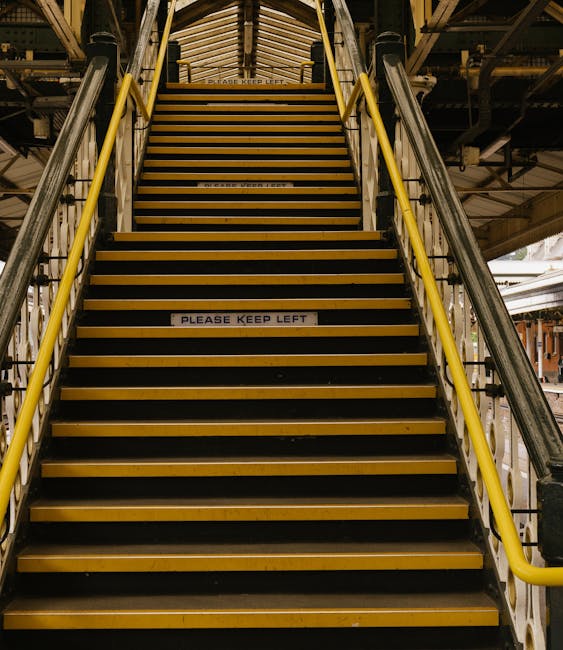
Packing flats on Addiscombe estate: Stairs, lifts, access
If you are packing up a flat on Addiscombe estate, the job is rarely just about boxes and tape. The real challenge is often the building itself: narrow stairs, shared lifts, awkward corners, parking that is never quite where you want it, and the simple fact that a sofa looks much heavier on a Thursday morning than it did in the shop. Packing flats on Addiscombe estate: stairs, lifts, access, all of it, can shape how smooth your move feels.
This guide breaks down the practical side of flat packing in a way that actually helps. You will learn how to plan around stairwells and lifts, what access issues to check before moving day, which packing methods save time, and where things usually go wrong. If you are moving home in the area, you may also find it useful to look at home moves support and the wider packing and unpacking services available locally.
Truth be told, most stressful flat moves are not caused by the packing itself. They are caused by poor planning around access. That is what this article is here to fix.
Table of Contents
- Why Packing flats on Addiscombe estate: Stairs, lifts, access Matters
- How Packing flats on Addiscombe estate: Stairs, lifts, access Works
- Key Benefits and Practical Advantages
- Who This Is For and When It Makes Sense
- Step-by-Step Guidance
- Expert Tips for Better Results
- Common Mistakes to Avoid
- Tools, Resources and Recommendations
- Law, Compliance, Standards, or Best Practice
- Options, Methods, or Comparison Table
- Case Study or Real-World Example
- Practical Checklist
- Conclusion
- Frequently Asked Questions
Why Packing flats on Addiscombe estate: Stairs, lifts, access Matters
Flat moves are always a little more tactical than house moves. On Addiscombe estate, that usually means planning around shared entrances, stairwells, lifts, balconies, bin stores, loading points, and the everyday reality of other residents coming and going. If your packing plan ignores access, you can end up with delayed collections, damaged items, or a team making repeated trips up and down the stairs. Nobody wants that, especially when the kettle is already packed away.
Access matters for three reasons. First, it affects how you pack. Second, it affects how items are carried. Third, it affects how long the move takes. A narrow stairwell may mean smaller boxes. A lift may mean timing everything so that heavy items are moved first. A shared entrance may mean keeping corridors clear and planning where boxes can sit without blocking neighbours.
There is also a wellbeing angle. Packing a flat is tiring enough before you add multiple flights of stairs. If you are moving with children, older family members, or awkward furniture, sensible access planning reduces strain and stress. It sounds obvious, but in practice people often underestimate it until moving day arrives and the first wardrobe panel refuses to turn the corner.
If you are weighing up whether to hire help, the local man and van service can be a practical choice for smaller flat moves where access is tight but the volume is manageable. For larger loads, a more structured option such as removal truck hire may be more suitable.
How Packing flats on Addiscombe estate: Stairs, lifts, access Works
The process works best when you think about the building first and the boxes second. Start by checking the route from your front door to the vehicle. Then look at the route from each room to that front door. It is a simple idea, but it changes everything.
In a typical Addiscombe estate flat move, you will usually deal with a few key factors:
- Stair width and turns - useful for wardrobes, mattresses, and large boxes.
- Lift size and availability - important for timing and shared use.
- Distance to parking - the longer the carry, the more efficient packing needs to be.
- Doorways and internal corridors - especially if furniture needs to be dismantled.
- Neighbour access and building rules - to avoid blocking shared areas or causing friction.
Let's say you have a second-floor flat with a lift that is technically there, but just a bit too small for a king-size mattress and two boxes at once. In that case, you do not want overstuffed cartons. You want stackable, medium-weight boxes that one person can handle safely. Small changes like that matter more than people expect.
Good packing also helps the movers work faster. Clearly labelled boxes, protected corners, and furniture broken down into sensible parts all reduce stair-time and lift congestion. If you are moving a full home rather than just a few rooms, it may be worth reading about house removalists and how they manage access on compact residential sites.
Key Benefits and Practical Advantages
When access is planned properly, the move feels calmer from the start. That is not just a nice bonus; it has real practical value.
- Less physical strain - lighter, smarter packing reduces the burden of stairs and repeated lifting.
- Faster loading and unloading - the route is clearer, so there is less stop-start movement.
- Lower risk of damage - fewer awkward lifts mean fewer knocks on walls, banisters, and furniture edges.
- Better use of shared lifts - planned timing avoids holding up neighbours or causing lift queues.
- More predictable costs - less wasted time usually means a more efficient move overall.
There is another benefit that gets overlooked: peace of mind. A flat move can feel like a jigsaw puzzle in a corridor. Once the boxes are labelled, the furniture is measured, and the access route is understood, the whole thing becomes much more manageable. Not easy, exactly. Manageable.
For a lot of people, that is enough reason to use professional support. A well-organised packing and unpacking service can save hours, especially if you are trying to coordinate work, family life, and a building with limited access windows.
Who This Is For and When It Makes Sense
This topic is relevant to anyone moving into or out of a flat on Addiscombe estate, but some situations benefit more than others.
You will find this especially useful if you are:
- moving from a top-floor flat with stairs only
- sharing a lift with other residents
- moving bulky furniture like beds, sofas, or bookshelves
- trying to pack around work hours or school runs
- helping an older relative move, where safety matters more than speed
- moving on a tight schedule with limited parking access
It also makes sense if you are downsizing. Smaller homes often need more careful packing, not less. That catches people out. You think you are moving fewer things, but the awkward items still exist, and they still need to get down the stairs somehow.
If your move includes office equipment, paperwork, or stock, the same access logic applies. In that case, commercial moves and office relocation services may be more relevant than a simple domestic move page.
Step-by-Step Guidance
Here is a practical way to approach packing and access planning without making it more complicated than it needs to be.
- Walk the route first. Check the stairwell, the lift, the front door, and the path to the vehicle. Measure anything that looks tight.
- List the awkward items. Sofas, beds, mirrors, headboards, tall lamps, and anything fragile should be flagged early.
- Choose box sizes with the building in mind. On stairs, medium boxes are usually safer than oversized ones packed to the brim.
- Pack by access priority. Put the items you will need last near the front, and the items leaving first in easy reach.
- Disassemble where sensible. A flat-pack wardrobe is much easier when it is already in pieces. Obvious, yes. Still forgotten all the time.
- Label clearly on two sides. Write the room and a brief contents note so boxes can be stacked and sorted quickly.
- Protect corners and handles. Stairwell scrapes often happen at the edges, not the centre of the item.
- Coordinate lift use. If there is a lift, decide whether it will be reserved, shared, or used for the heaviest items first.
- Prepare a clear staging area. Keep a small landing or room space free so boxes do not clutter the corridor.
- Do a final access check on the day. Parking, keys, lift access, and building entry details should all be confirmed again.
One small but useful habit: pack one "first hour" box with essentials such as kettle, phone charger, basic cleaning cloths, medication, and toiletries. After a stair-heavy move, that box is pure gold.
Expert Tips for Better Results
Some of the best packing advice is boring in the best possible way. It prevents problems before they start.
- Use smaller boxes for books. Heavy boxes are the enemy on stairs. A small box full of books can be harder to carry than a much larger box of bedding.
- Wrap handles and sharp corners. A little padding saves walls, lift panels, and your knuckles.
- Keep a tool kit to hand. Screwdrivers, Allen keys, tape, scissors, and a marker pen should stay accessible until the end.
- Plan for lift delays. If the building lift is shared, allow a buffer. It is never wise to assume instant availability.
- Ask about parking before the move. Even a short carry can become a nuisance if the van has to park far away.
Here is a simple rule that works surprisingly well: if you would not be happy carrying a box up two flights of stairs while slightly sweaty, repack it. A bit blunt, but true.
And yes, the tape dispenser will disappear for five minutes. It always does.
If your move needs a vehicle sized to fit the job, you may want to compare options like moving truck and man with van support depending on the volume and access restrictions.
Common Mistakes to Avoid
A lot of flat move problems come from a few predictable mistakes. The good news? They are avoidable.
- Overpacking boxes - too much weight makes stairs slower and riskier.
- Ignoring lift dimensions - a lift that exists is not always a lift that fits your furniture.
- Leaving packing until the last night - rushed packing leads to breakages and messy access.
- Not measuring large items - if a sofa will not turn the corner, you need to know before moving day.
- Blocking communal areas - shared spaces need to stay clear for neighbours and safety.
- Forgetting rubbish removal - old packaging, broken items, and unwanted furniture can slow the move.
Another common error is assuming all access issues can be solved on the spot. Sometimes they can. Often they cannot. A lift that is out of service, a parked car in the wrong place, or a tight stair bend is not the time for improvisation.
If you need to clear furniture before or after a move, a dedicated furniture pick up service can help keep the property tidy and make the exit easier.
Tools, Resources and Recommendations
You do not need a huge kit, but the right small tools make flat packing much smoother.
| Item | Why it helps | Best use on a flat move |
|---|---|---|
| Strong packing tape | Keeps boxes sealed under lift and stair movement | Sealing the bottom and top of each box |
| Marker pens | Clear labels speed up room placement | Marking contents and destination room |
| Furniture blankets | Protects against scuffs in tight corridors | Sofas, tables, wardrobes, and headboards |
| Trolley or sack truck | Reduces repeated lifting where floor surfaces allow | Moving boxed items to the vehicle |
| Zip bags for screws | Stops fixings from going missing during dismantling | Bed frames, shelving, and furniture fittings |
If you are arranging a move yourself, a simple combination of packing supplies and vehicle hire can be enough. For larger or time-sensitive jobs, a full removal setup may be worth considering. The key is matching the service to the access reality of the building, not to an idealised version of the building. They are rarely the same thing.
For more flexible support, many people also look at truck hire for removals when they need capacity without booking a fully managed move.
Law, Compliance, Standards, or Best Practice
Flat packing and moving on a residential estate is usually less about formal legal complexity and more about sensible best practice. Still, there are a few things worth keeping in mind.
First, do not block emergency exits, communal walkways, or building access points. That is a straightforward safety expectation, and it also helps keep good relationships with neighbours and property managers. Second, use safe lifting techniques and do not take on more weight than feels sensible. A split box is annoying; an injury is much worse.
Third, if the estate or building management has rules about lift booking, loading times, or parking bays, follow them. These are often practical rules designed to prevent damage and reduce conflict. They may not feel exciting, but they save headaches later.
For removals businesses, clarity matters too. Reputable firms should be transparent about what they can and cannot do, what access they need, and how any service limits are handled. If you are checking terms or preparing a booking, the terms and conditions and privacy policy pages are worth reviewing before you confirm details.
One more practical point: if access is restricted, communicate early. A last-minute message is better than no message, but earlier is always better. Always.
Options, Methods, or Comparison Table
Different flat moves call for different packing and access strategies. Here is a straightforward comparison.
| Method | Best for | Pros | Watch-outs |
|---|---|---|---|
| Self-pack, self-move | Small moves with simple access | Lower cost, full control | More physical effort, higher chance of misjudging box weight |
| Self-pack, hired van | Moderate moves where transport is the main challenge | Flexible timing, useful for short-distance moves | Still need careful loading and lifting |
| Partial packing service | Busy households or fragile items | Less stress, better protection for delicate items | Needs clear communication about what is packed |
| Full moving support | Large flats, awkward access, tight schedules | Most efficient, fewer moving-day surprises | Usually the most expensive option |
If access is especially tight, the decision usually comes down to time versus effort. A strong self-pack can work beautifully. But if stairs are steep and the lift is small, a more hands-on service may simply be the saner choice.
Case Study or Real-World Example
Imagine a two-bedroom flat on Addiscombe estate with a lift that works, but only just. The residents have a large sofa, a dining table with detachable legs, two mattresses, and a collection of books that somehow became six boxes. The move is booked for a weekday morning, and parking near the block is limited.
The first thing done is not packing. It is measuring. The sofa turns out to be too awkward for the lift in one piece, so the movers remove the feet and wrap the arms. The table is dismantled. Books are split into smaller boxes instead of one heroic box that would have been a nightmare on the stairs. Fragile kitchenware is packed separately and marked clearly.
On moving day, the lift is used for the heaviest boxes and lighter items follow through the stairs in a steady flow. Because the route was checked in advance, there is no last-minute panic in the hallway. No one is hovering with a roll of tape and a worried face. It all feels organised, which is rare enough to be appreciated.
The difference was not magic. It was access planning. Small decisions made early saved time later. That is usually how the best moves go.
Practical Checklist
Use this checklist before moving day so packing and access are both under control.
- Measure doorways, stair turns, and lift dimensions where possible
- Confirm parking options and walking distance from vehicle to flat
- Sort items by room before boxing them
- Keep heavy items in smaller boxes
- Label every box on at least two sides
- Wrap fragile items with enough padding
- Dismantle large furniture in advance if practical
- Keep screws, bolts, and fittings in labelled bags
- Reserve lift use if the building requires it
- Leave corridors and communal areas clear
- Prepare an essentials box for the first night
- Double-check keys, phone charge, and contact numbers
Expert summary: The smoother your stair, lift, and access plan, the easier the entire flat move becomes. Pack for the building you have, not the one you hoped for. That one shift alone can save a lot of hassle.
Conclusion
Packing flats on Addiscombe estate is really about managing movement through a real building, not just filling boxes. Once you understand the stairs, the lift, the corridors, and the parking route, everything else becomes easier to organise. You can pack smarter, move safer, and avoid the kind of stress that makes a simple relocation feel strangely enormous.
If you are preparing for a flat move and want help choosing the right level of support, take a moment to explore the available moving options, compare what suits your access situation, and get advice early rather than late. A calm move is rarely an accident. It is usually the result of a few sensible decisions made at the right time.
Get a free quote today and see how much you can save.
And if all you manage today is one well-labelled box, that is still progress. A proper one, too.
Frequently Asked Questions
What is the main challenge when packing flats on Addiscombe estate?
The main challenge is usually access rather than packing itself. Stairs, lift size, corridor width, and parking distance all affect how easy the move is to complete.
Should I use boxes of different sizes for a flat move?
Yes. Smaller boxes are better for books, heavy kitchen items, and anything that needs to be carried up or down stairs safely. Medium boxes usually work best overall.
How do I know if my furniture will fit in the lift?
Measure the furniture and compare it with the lift opening and internal size if you can. If something looks tight, assume it will need dismantling until proved otherwise.
What should I do if the lift is too small or not working?
Plan for stair carries and reduce box weight. If the lift is essential for the move, speak with the building contact or your mover as early as possible to adjust the plan.
How far in advance should I start packing a flat?
For a typical flat move, starting one to two weeks ahead is often sensible, depending on how much you own. Busy households or larger flats may need more time.
Is a man and van service enough for a flat on Addiscombe estate?
It can be, especially for smaller flats or moderate loads. For larger homes, heavy furniture, or difficult access, a more complete moving service may be more practical.
How can I protect walls and bannisters during the move?
Use furniture blankets, corner protection, and careful handling on tight turns. Keeping boxes to a manageable size also reduces the risk of accidental scrapes.
Do I need to tell the building management before moving?
Often, yes, especially if there are rules for lift bookings, loading access, or parking. Even when it is not strictly required, advance notice can prevent delays and conflicts.
What is the best way to label boxes for a flat move?
Write the room name and a short contents note on more than one side of each box. For example, "Kitchen - pans" or "Bedroom - bedding". Clear labels save a surprising amount of time.
Can I move large furniture without dismantling it?
Sometimes, but not always. If the item is bulky or the stairwell has tight turns, dismantling is usually safer and faster. It also reduces the chance of damage.
What should go in a first-night essentials box?
Include things like toiletries, phone chargers, medication, kettle items, toilet paper, a change of clothes, and basic cleaning supplies. Keep it easy to reach.
Where can I get help with packing or moving locally?
You can explore services such as packing and unpacking support, home moves assistance, or contact the team directly through the contact page for tailored advice.
Is it worth arranging furniture removal before moving day?
Yes, if you have bulky items you do not want to take with you. Clearing them early can make the flat easier to pack and can reduce the pressure on moving day.
How do I choose between a truck hire and a van service?
Choose based on volume, access, and how much loading help you need. A smaller van may suit a compact flat move, while a truck is often better for larger or more complex jobs.